
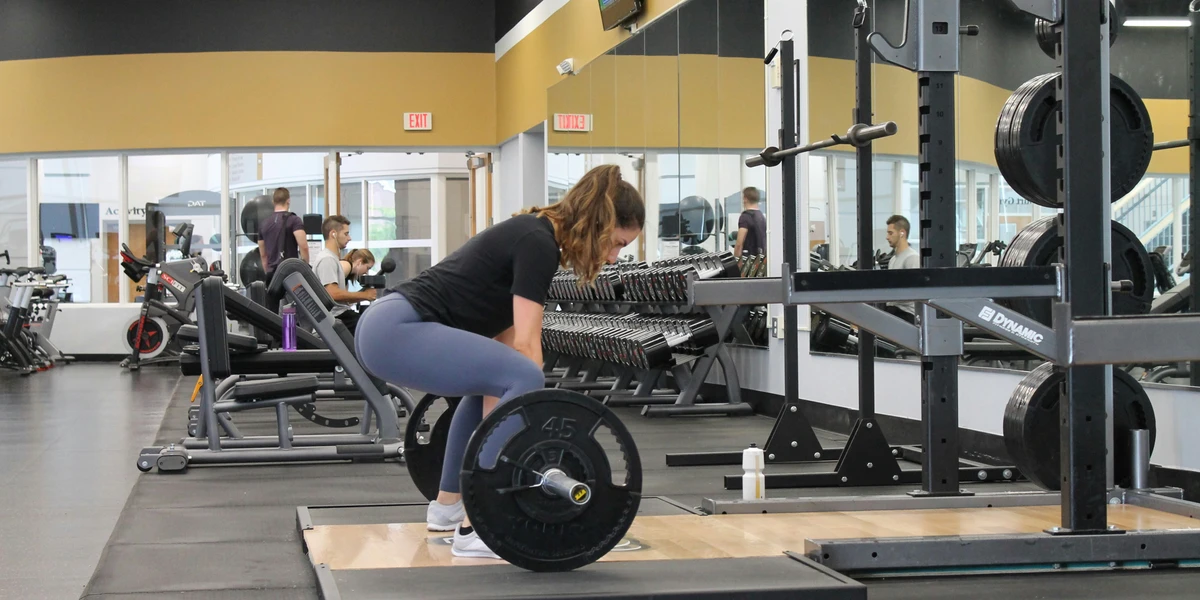
The deadlift can be a very demanding exercise, and when done incorrectly, it can lead to injury. Some people may not be able to perform heavy deadlifts safely due to past injuries or difficulty learning proper technique. Deadlifts are also easy to overtrain, as heavy sessions take a long time to recover from. That’s one of the main reasons deadlifts often get a bad reputation, with many people believing they’re dangerous or guaranteed to hurt your back. In fact, when people ask, “What exercises should I avoid as I get older?” deadlifts and barbell squats are usually the first answers.
Deadlifts are not mandatory and there are times when it should be avoided, e.g. as during active lower back pain, sciatica flare-ups, unmanaged spinal osteoporosis, severe mobility limitations, or poor movement and posture control. In these cases, the underlying issue should be addressed first.
However, when used appropriately, they are one of the most effective tools for building muscle, increasing strength, and aging strong. They are not just a “back exercise.” Deadlifts train the hips, glutes, hamstrings, core, grip, posture, and overall functional strength—qualities that support real-life movements like lifting groceries, carrying luggage, getting up from low chairs, preventing falls, and protecting your spine.
Instead of asking, “Should I avoid deadlifts?” the better question is: “Which deadlift variation suits my body and goals right now?”
How to Start Deadlifting Safely
- Build these foundations first:
-
Mobility: You can hinge at the hips without rounding your spine
-
Stability: You can brace your core and stay in control
-
Strength base: You can lift a light load with clean form
-
Start light. A kettlebell or dumbbells are plenty. If you wouldn’t sprint on day one of jogging, don’t go heavy on day one of deadlifting.
-
Prioritise form. Maintain a neutral spine, brace your core, and push the floor away with your legs. If you’re unsure about your technique its best to hire a qualified personal trainer or strength coach with experience in barbell and strength training.
-
Progress slowly. Add weight in small steps (around 5 lb/2–2.5 kg at a time). Train one to two times per week, building consistency before increasing load.
-
Listen to your body. Learn the difference between effort and pain. If something feels unsafe, stop and reset. The goal is long-term strength and longevity, not ego or bragging rights.
Here are some beginner-friendly deadlift variations (with added video demonstrations)
Kettlebell or Dumbbell Deadlift
Dumbbell Romanian Deadlift (RDL)
Single Leg Romanian Deadlift (RDL)
Barbell Romanian Deadlift (RDL)
Final Thoughts
With the right variation and mindful progression, the deadlift is no longer a movement to fear, but a fundamental tool for building resilient strength that serves you for life.
More Resources
📝How to Deadlift: Definitive Guide by Greg Nuckols
▶How To Deadlift: 5 Step Deadlift by Alan Thrall
▶The Deadlift Prescription by Jonathon Sullivan, MD, PhD, SSC
▶Should Adults Over 50 REALLY STOP Deadlifting when Strength Training? by Janet McConnell