
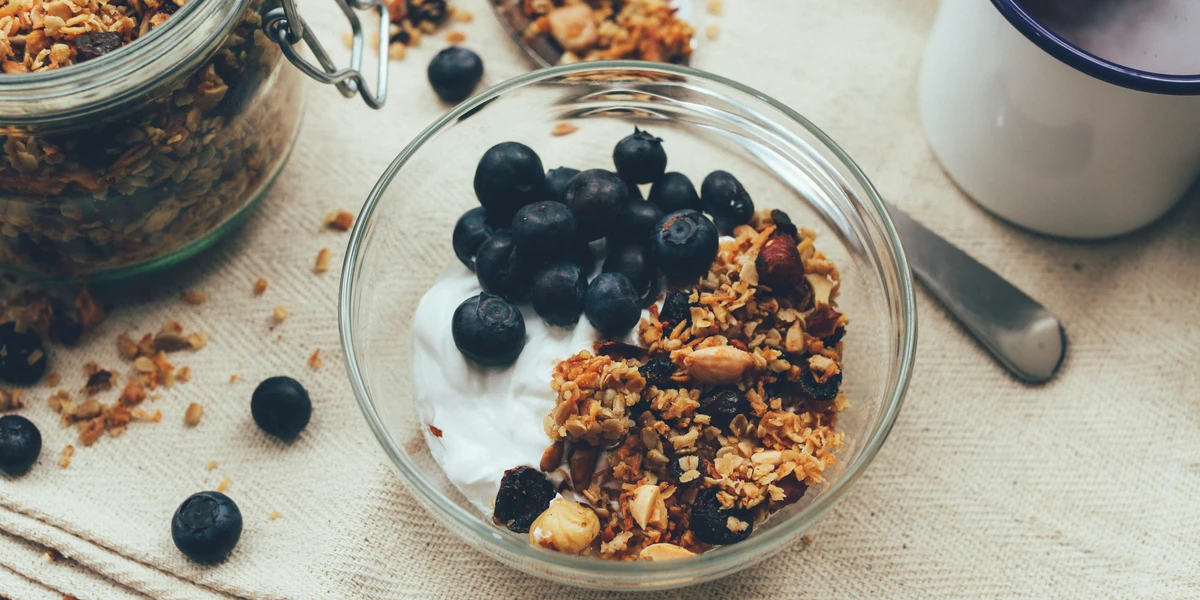
In a world obsessed with protein powders, adaptogens, and the latest “superfoods,” dietary fibre quietly sits in the background, despite being one of the most powerful longevity tools we have. It keeps you regular, supports your microbiome, reduces disease risk, and may literally help you live longer. It is time fibre got the spotlight it deserves.
What Exactly Is Dietary Fibre?
Dietary fibre refers to carbohydrates that your small intestine can’t digest or absorb. Instead of breaking down early in the digestive process, they travel intact to the large intestine, where your gut bacteria ferment them. That fermentation produces short-chain fatty acids (SCFAs), compounds that strengthen the gut lining, support immunity, benefit the brain, and improve metabolic health.
You can get fibre from real food or supplements, but a food-first approach offers the biggest benefits. Higher fibre diets are associated with:
-
Better satiety (you feel fuller for longer)
-
Lower risk of constipation and diverticular disease
-
Reduced bowel and breast cancer risk
-
More regular bowel habits
-
Lower cardiovascular disease risk
-
Improved blood-glucose control and reduced type 2 diabetes risk
The Evidence Just Got Even Stronger
There’s “promising evidence”… and then there’s 17-million-people, meta-analysis-of-meta-analyses, highest-grade scientific certainty.
A huge 2024 umbrella review analysed data from more than 17 million people across many countries and decades of follow-up. Researchers used the strictest grading system available.
Here’s how fibre scored:
Class 1 – Convincing Evidence (the highest grade)
Higher fibre intake ↓ cardiovascular disease
Higher fibre intake ↓ deaths from heart disease
Class 2 – Highly Suggestive Evidence
↓ deaths from cancer
↓ deaths from stroke
↓ deaths from type 2 diabetes
↓ overall risk of dying from any cause
Translation: Across age groups, cultures, and continents, fibre consistently predicts longer life and lower disease risk, more strongly than almost any other dietary change you can make.
The Different Types of Fibre
There are dozens of fibre types, but they’re usually grouped into three practical categories:
Insoluble Fibre
Acts like a gentle broom: adds bulk, speeds transit time, and helps keep you regular.
Found in:
-
Wholegrain breads and cereals
-
Fruit and vegetable skins
-
Nuts and seeds
-
Wheat bran
Soluble Fibre
Dissolves in water to form a gel, slowing digestion and helping reduce sugar and cholesterol absorption.
Found in:
-
Oats and barley (rich in β-glucans)
-
Psyllium
-
Beans, lentils, chickpeas
-
Citrus fruits, apples, carrots
Prebiotic Fibre
A special category that feeds beneficial gut bacteria, basically fertiliser for your microbiome.
Found in:
-
Inulin and fructans (onion, garlic, leeks, asparagus, bananas, chicory)
-
Galacto-oligosaccharides (beans, lentils)
-
Resistant starch (cooked-and-cooled potatoes/rice, legumes, green bananas)
Fibre and “Gut Health”
Gut health isn’t just a trend—it’s your digestive comfort, immune function, and bacterial ecosystem all working smoothly. Fibre is the primary fuel source for your microbiome, and a diverse fibre intake helps create a diverse, resilient bacterial community. Diversity = health. Simple as that.
How Much Fibre Do You Need—and How Do You Eat More?
In Australia, the recommended daily intake is:
25 g/day for women
30 g/day for men
Many people don’t even reach half of that.
Increase Fibre Gradually
Jumping from 15 g to 40 g overnight is a fast track to bloating and gas. Add one new high-fibre food every few days and spread it across meals.
Easy Ways to Boost Fibre
-
Choose wholemeal or wholegrain bread, pasta, rice, and cereals
-
Keep skins on fruits and vegetables
-
Add beans or lentils to soups, curries, salads, and Bolognese
-
Add LSA, chia, psyllium, or seeds to yoghurt or oats
-
Snack on fruit, vegetable sticks, nuts, or popcorn
More Isn’t Always Better
Some people, especially those with Irritable Bowl Syndrome (IBS) may struggle with very high fibre or large amounts of fermentable prebiotics. If discomfort, gas, or bloating persist, it’s worth speaking to an Accredited Practising Dietitian to find your ideal range.
The Bottom Line
While the internet argues about cold plunges, grounding, and $800 red-light devices, dietary fibre just keeps quietly stacking gold-standard evidence:
↓ heart disease and strokes (convincing evidence—17 million people)
↓ cancer and overall death risk (highly suggestive—same 17 million)
↓ diabetic kidney failure by up to 50% (new 2024 findings)
Plus decades of benefits for gut health, blood sugar, and weight management.
Resources
▶How Does Eating Fiber Help You Live Longer? | Educational Video | Dr. Layne Norton PhD