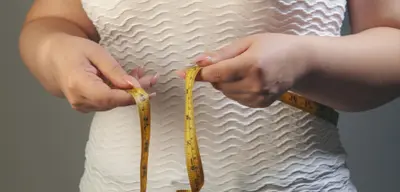
For many people, food slowly shifts from something simple and enjoyable to something stressful and loaded with rules.
It often starts with good intentions, e.g. improving health, losing weight, or gaining confidence. But somewhere along the way, structure can turn into restriction, and awareness can turn into obsession.
Building a healthy relationship with food isn’t about abandoning goals. It’s about pursuing them in a way that supports both your physical and mental wellbeing.
Here’s what that looks like in practice.
Eat With Intention, Not Fear
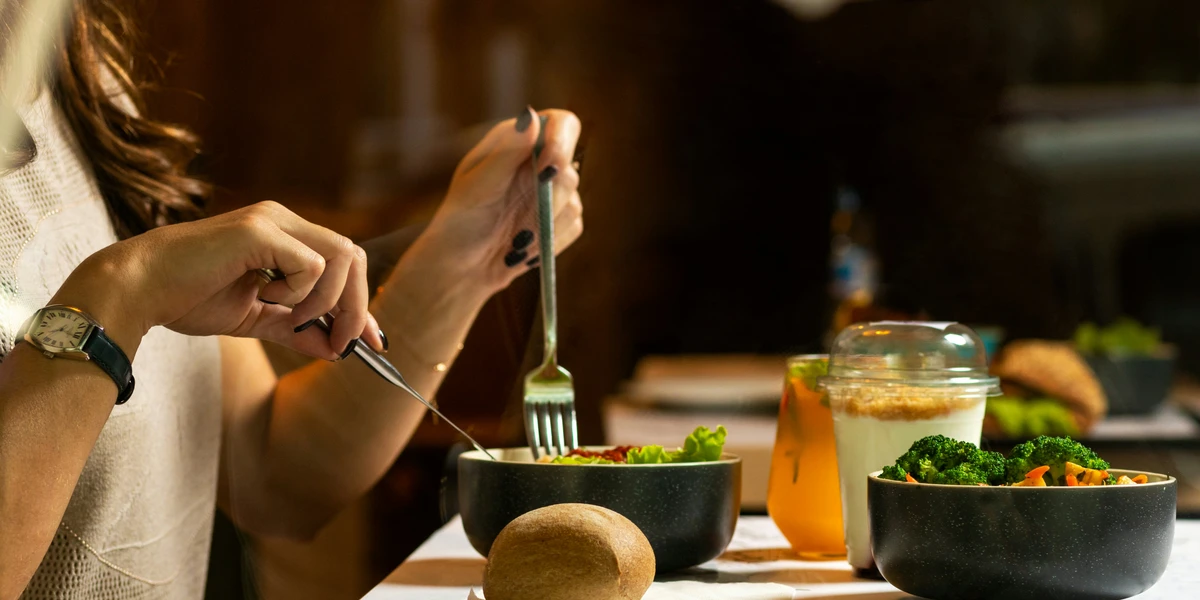
Eating with intention means making food choices based on how you want to feel, not on guilt, anxiety, or punishment.
Fear-based eating sounds like:
-
“I can’t eat that.”
-
“I’ve already ruined today.”
-
“I’ll have to work this off tomorrow.”
Intentional eating sounds like:
-
“Will this keep me satisfied?”
-
“How will this make me feel later?”
-
“Does this align with my goals right now?”
The difference is subtle but powerful.
When you eat with intention, you consider your hunger levels, your energy needs, and your goals, without attaching moral value to food. You understand that some foods are more nutrient-dense than others, but none make you a better or worse person.
Intentional eating creates calm decision-making. Fear creates reactive behaviour.
The goal is not perfection. The goal is awareness.
Separate Your Self-Worth From Your Food Choices
This is the foundation.
Your value does not increase because you ate a salad. Your value does not decrease because you ate pizza.
Food is not a measure of discipline, morality, or character.
When your self-worth becomes tied to your eating habits, every choice feels high-stakes. One “imperfect” meal can spiral into all-or-nothing thinking. That mindset keeps you stuck.
Separating self-worth from food means:
-
No labelling yourself as “good” or “bad.”
-
No punishing yourself after eating.
-
No feeling superior or inferior based on food choices.
You are a whole person — with goals, strengths, relationships, and values that extend far beyond what’s on your plate.
When you detach identity from eating, decisions become calmer and more rational. You choose based on what serves you, not on what proves something.
Enjoy Food Without Obsessing Over It
Food is meant to be enjoyed and it plays a central role in life e.g. celebrations, cultural traditions, family dinners, social events etc. A healthy relationship allows you to participate fully without spiralling into guilt or overthinking.
Enjoying food without obsession means:
-
You can look forward to meals.
-
You can have dessert without needing to “earn” it.
-
You can move on after eating without replaying every bite.
Obsession often comes from restriction. When foods are labelled as “off limits,” they gain power. When you give yourself permission to include foods you genuinely enjoy — in reasonable amounts — the urgency fades.
You eat. You enjoy it. You move on.
Food supports your life. It doesn’t consume your thoughts.
Fuel Your Body While Still Allowing Flexibility
A healthy relationship with food balances structure and flexibility.
Fueling your body means prioritising:
-
Protein for muscle and satiety
-
Fibre for digestion
-
Whole foods for micronutrients
-
Adequate calories for energy and performance
But flexibility means:
-
Enjoying a meal out without stress
-
Having cake at a birthday
-
Adapting when life doesn’t go to plan
Many people swing between extremes, either rigid control or complete abandonment. Sustainable health lives in the middle.
You can prioritise nutrient-dense foods most of the time while still allowing room for enjoyment. In fact, flexibility is what makes consistency possible.
The objective isn’t to eat “perfectly.” It’s to eat in a way you can maintain long term.
The Bottom Line
Building a healthy relationship with food takes time. It requires self-awareness, patience, and the willingness to challenge beliefs you may have held for years. When you learn to eat with intention, enjoy food without obsession, fuel your body with flexibility, and separate your worth from your choices, you create something sustainable. Not just a diet. A lifestyle.