
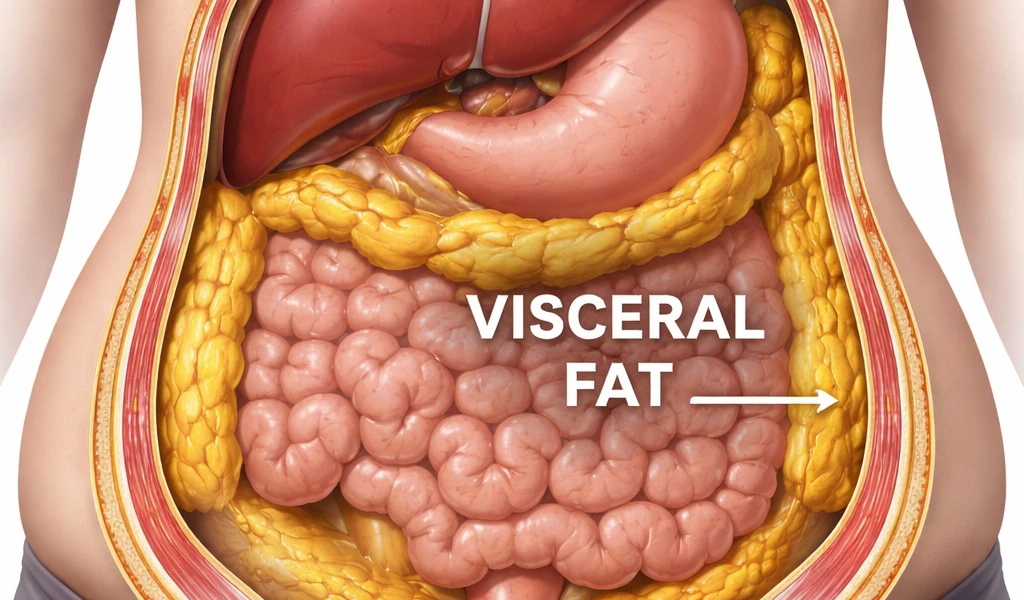
Visceral fat is the dangerous fat hidden deep in your belly around your organs. Tucked deep inside your abdomen around your organs, like the liver and pancreas, it drives many of today’s deadliest conditions, including heart disease, type 2 diabetes, and certain cancers.
The good news? You can target and reverse visceral fat and fatty liver relatively quickly, often with little to no extra effort beyond smart food choices. Recent science shows impressive reductions are possible even without drastic calorie cuts or major weight loss on the scale. Here’s an evidence-based action plan to get results fast.
Power Up with Polyphenols
Polyphenols are powerful plant compounds that fight inflammation and reduce liver fat. A long-term clinical intervention trial found that a green Mediterranean (MED) diet reduces intrahepatic fat more than other healthy diets and cuts non-alcoholic fatty liver disease (NAFLD) in half.
Easy ways to get more polyphenols:
- Matcha tea or 3–4 cups of green tea daily
- Turmeric (with black pepper)
- Dark chocolate, berries, cloves, red onions, flax seeds, and nuts
Prioritize Protein for Satiety and Fat Breakdown
Protein increases feelings of fullness, shuts down new fat production in the liver, and ramps up fat breakdown. One randomized trial found that raising protein from 10% to 30% of calories led to a 42% drop in liver fat in just 3 weeks, even with similar weight loss to the lower-protein group.
Aim for high-quality sources: fatty fish like salmon, Greek yogurt (unsweetened), eggs, legumes (chickpeas, lentils), poultry, and plant options like duckweed or whey/casein if they fit your preferences. Protein works across diet styles, low-carb, higher-carb, vegan, or keto.
Choose the Right Fats
The type of fat you eat matters more than many realize for liver and visceral fat. Unsaturated fats from olive oil, avocados, walnuts, and fatty fish consistently reduce liver fat in trials. A systematic review confirmed that favoring these over other fats lowers hepatic fat content. Even canola oil (similar profile to olive oil) showed substantial reductions in 12 weeks.
Saturated fats in large amounts (think excessive butter, coconut oil, palm oil, lard, or processed meats like bacon) do the opposite—they promote liver fat buildup, sometimes more aggressively than simple sugars.
Avoid the Worst Offenders and Misleading “Healthy” Foods
Refined and processed carbohydrates are major culprits: soda, commercial baked goods, artificial cereals, cookies, cakes, and concentrated fructose. These deliver rapid hits of sugar that overload the liver, driving fat storage. Whole fruit is different and beneficial—the fiber slows absorption, and it comes packaged with vitamins, antioxidants, and polyphenols. Watch saturated fat-heavy processed items too. Even more sneaky are foods marketed as healthy:
- Most commercial yogurts (loaded with added refined sugars—choose unsweetened or plain Greek)
- Packaged juices and drinks (ignore the fruit pictures on the label; check for added sugars)
- Energy drinks (often sugar bombs)
- Alcohol (harsh on the liver)
A Standout Supplement: Resistant Starch
For a low-effort boost, consider resistant starch (specifically RS2 from high-amylose corn). In a randomized, double-blind, placebo-controlled trial, people with fatty liver who added 40g per day (mixed in water twice daily before meals) saw their liver fat cut in half after 4 month,no other diet or exercise changes required. The control group (same calories from regular starch) saw no meaningful improvement. Note: Pure RS2 supplements aren’t widely available everywhere, but a few brands offer it. It’s also naturally present in smaller amounts in legumes, whole grains, and cooled cooked potatoes or rice (though the supplemental dose was higher).
The Role of Weight Loss (and Why It Doesn’t Have to Be Everything)
Substantial overall weight loss is incredibly powerful. In the UK DiRECT trial, patients with type 2 diabetes on a very low-calorie diet (around 600 calories from shakes) lost ~30% of liver fat in the first week alone and up to 70% over 8 weeks. Many normalized blood sugar within 7 days. But drastic restriction isn’t sustainable for most. The strategies above polyphenols, higher protein, smart fats, and resistant starch allow targeted fat loss even if the scale moves slowly. You can reduce visceral and liver fat where it counts most without visible weight change. Exercise helps too (certain protocols have cut liver fat dramatically in 8 weeks), but diet tweaks often deliver the fastest, most specific results.
In Conclusion
You don’t need extreme calorie restriction to lose dangerous visceral fat. Focus on polyphenols, higher protein, healthy fats, and cutting refined sugars. These science-backed tweaks work across most diets and deliver results fast, often before the scale moves. Start with one or two changes this week. Your liver and long-term health will thank you.
Resources:
▶Reverse Belly Visceral Fat FAST | Gil Carvalho MD PhD
📝Effect of green-Mediterranean diet on intrahepatic fat | BMJ Journal
📝High-protein diet more effectively reduces hepatic fat | Pubmed