
If you’ve ever looked in the mirror after weeks of hard training and thought, “Is any of this even working?” — you’re not alone.
One of the biggest misconceptions in fitness is that progress should move in a straight line. Train hard for a few weeks, add weight to the bar, and suddenly your biceps double in size or the scale drops on cue. Social media reinforces this myth by showing only the highlight reels. In reality, strength isn’t linear. Muscle growth isn’t linear. Fat loss isn’t linear.
Some weeks you’ll feel stronger than ever. Other weeks, the weights feel heavier, your progress photos look identical, the scale refuses to budge, and you start questioning whether the effort is worth it. Then, seemingly out of nowhere, things click. You notice your T-shirt fitting tighter around your arms or your glutes filling out a pair of leggings. A photo from six or twelve months earlier reveals just how far you’ve actually come.
That’s because progress happens in waves, not straight lines.
Why the Body Doesn’t Cooperate on a Schedule
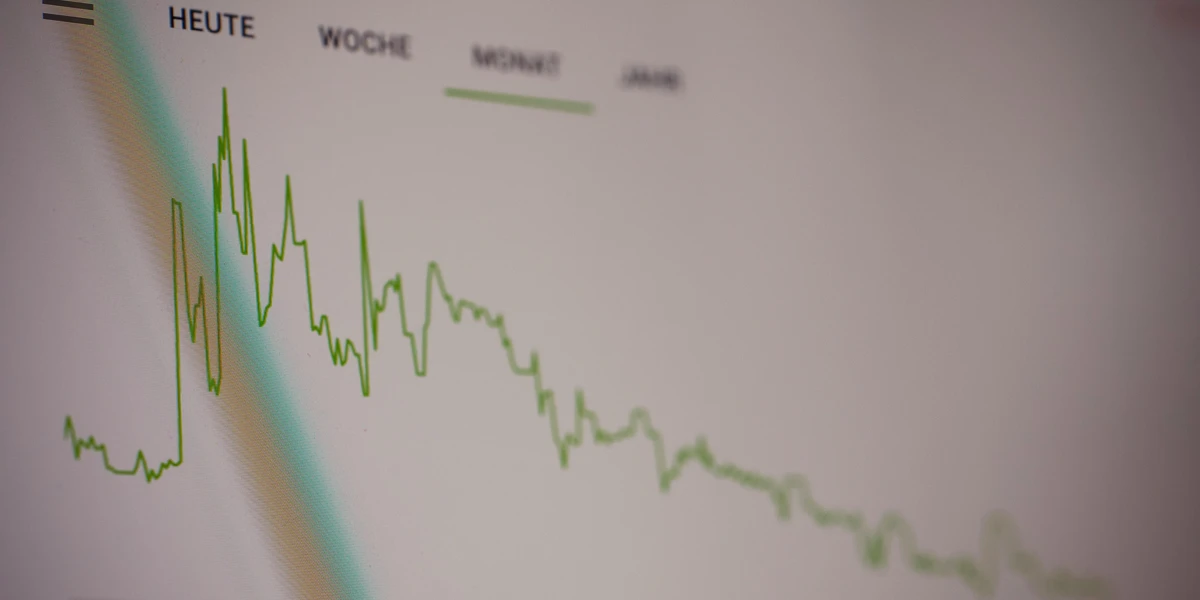
Your body is an incredibly complex system. Sleep quality, stress levels, nutrition consistency, recovery, hormones, hydration, training history, program design, daily effort, motivation, and genetics all influence how quickly (or slowly) you adapt. Just because you can’t see visible changes this week does not mean your body isn’t laying the foundation for future progress. When it comes to fat loss specifically, the same principle applies. People often ask how long it takes for a caloric deficit to “show.” The honest answer is that if you are truly in a deficit, measurable changes usually appear within a few days to a week, and almost always within two weeks. Weekly check-ins (photos, measurements, and scale weight) give the body enough time to reveal what’s happening. The scale alone is a poor referee. Bodies are sponges for water. A hard training session, higher sodium intake, poorer sleep, or residual soreness can easily mask fat loss on the scale. Meanwhile, tape measurements — especially around the waist, and often the glutes or chest — and consistent progress photos frequently show movement the scale hides. Many people first notice changes in the lower and mid-back or love-handle area long before the front view looks dramatically different. As body fat drops, particularly for men moving out of higher body-fat ranges, hormone profiles (notably testosterone) often improve. That shift can increase metabolic rate and make continued fat loss more efficient — another reason progress is rarely a perfect downward line on a graph.
How to Track What Actually Matters
Relying only on the mirror or the daily scale is a fast track to frustration. The more reliable approach is simple and objective:
- Take consistent progress photos (front, side, and especially back). Set your phone on video, turn slowly, and screenshot stills.
- Measure key sites (waist is non-negotiable; arms, glutes and chest are useful too).
- Weigh yourself under consistent conditions, but treat the number as one data point among several.
When photos and measurements move in the right direction even if the scale stalls, you are still progressing. When nothing moves for a few weeks despite honest adherence, something needs adjustment — either the deficit isn’t real, recovery is compromised, or another variable is interfering.
The Only Non-Negotiable: Consistency
Keep showing up. Prioritize good technique. Apply progressive overload and aim to get a little stronger over time. Focus on the process rather than daily fluctuations. Most importantly, keep taking those photos and measurements even when you feel like nothing is happening. Looking back six or twelve months later almost always tells a different story than the mirror on any single Tuesday. Trust the process, stay patient, and keep doing the right things for long enough. The results arrive in waves — and they do arrive. Progress was never meant to be linear. That doesn’t make it any less real.
Resources:
▶How Long Until You See Changes? Calorie Deficit Signs | Paul Revelia