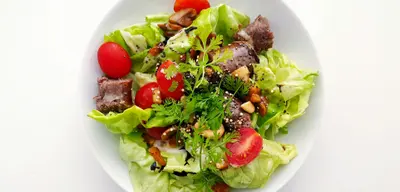
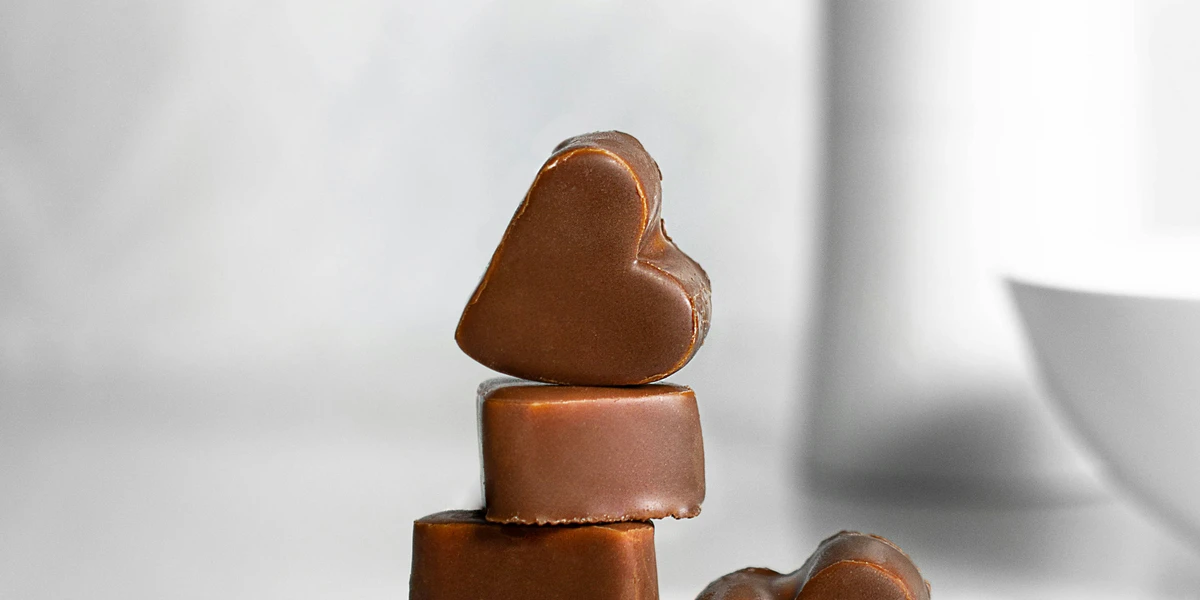
Most everyday cravings have little to do with what your body is missing. Craving chocolate doesn’t mean you’re low in magnesium, and wanting steak doesn’t prove you need iron.
If magnesium were the real driver, a handful of almonds or a bowl of spinach would do the job just as well. Nobody dreams about spinach. What chocolate offers is pleasure, memory and expectation, not a mineral top-up.
Hunger and cravings aren’t the same thing
Hunger can be satisfied by almost any food; a craving usually can’t. A craving is “very food specific,” whether that’s something sweet or a salty, crunchy snack. Your brain links a food with a good feeling or a setting, like the chips you always eat during your favourite show. That’s why depriving yourself rarely makes cravings go away.
Instead of trying to stamp them out, Aragon suggests managing them:
- Eat for fullness: build meals around protein, fibre and minimally processed foods.
- Make smart swaps: try dates for a sweet fix, or a lower-calorie version of the snack you crave.
- Cut back, don’t cut out: keep favourite treats, just not every day.
Banning a food makes you want it more
Tell yourself biscuits are off limits and you’ll probably think about biscuits all week. Psychologists call this the ironic rebound effect, and it hits hardest in people who diet often. The pattern usually ends the same way. You give in, feel guilty, decide the day is ruined and keep eating, promising to start fresh on Monday. That spiral even has a name: the what-the-hell effect.
What actually sets cravings off
There’s rarely a single cause. The usual suspects are: • Real hunger: skipped meals or long gaps between them. • Stress and emotions: reaching for food as comfort. • Cues around you: the sight, smell or even thought of something tasty. • Habit: snacking on autopilot in front of the TV. • Restriction: wanting exactly what you’ve ruled out. • Poor sleep: tiredness nudges appetite toward easy rewards.
When a craving hits, pause and ask which of these is at play. Knowing the trigger lets you respond on purpose instead of caving or white-knuckling it.
Loosen the rules, not the goals
A flexible approach works better than a rigid one. Build most of your meals around nutritious food, and leave room for the things you love. One piece of chocolate won’t undo your progress, and neither will the odd slice of pizza. Oddly, once a food stops being forbidden, it often loses some of its pull and becomes easier to enjoy in sensible amounts. Lasting change isn’t about eating perfectly. It’s about habits you can actually live with
Resources:
📝What Causes Food Cravings? It’s Not a Nutrient Deficiency | Tom Venuto