Many people think muscle loss only becomes a problem in old age. In reality, it starts much earlier. If you don’t do regular resistance training, you’ll begin losing muscle from your 30s at a rate of around 0.5% per year. That may not sound like much, but over the years it adds up.
How quickly you lose muscle also depends on your lifestyle. People who are inactive or spend most of the day sitting tend to lose muscle faster than those who stay active. However, everyday activities like walking or gardening aren’t enough to maintain muscle. Your muscles need to be challenged through resistance training to stay strong.
Muscle loss speeds up as you get older. By your 50s and 60s, you can lose 1–2% of your muscle each year, making it harder to stay strong, move well and remain independent.
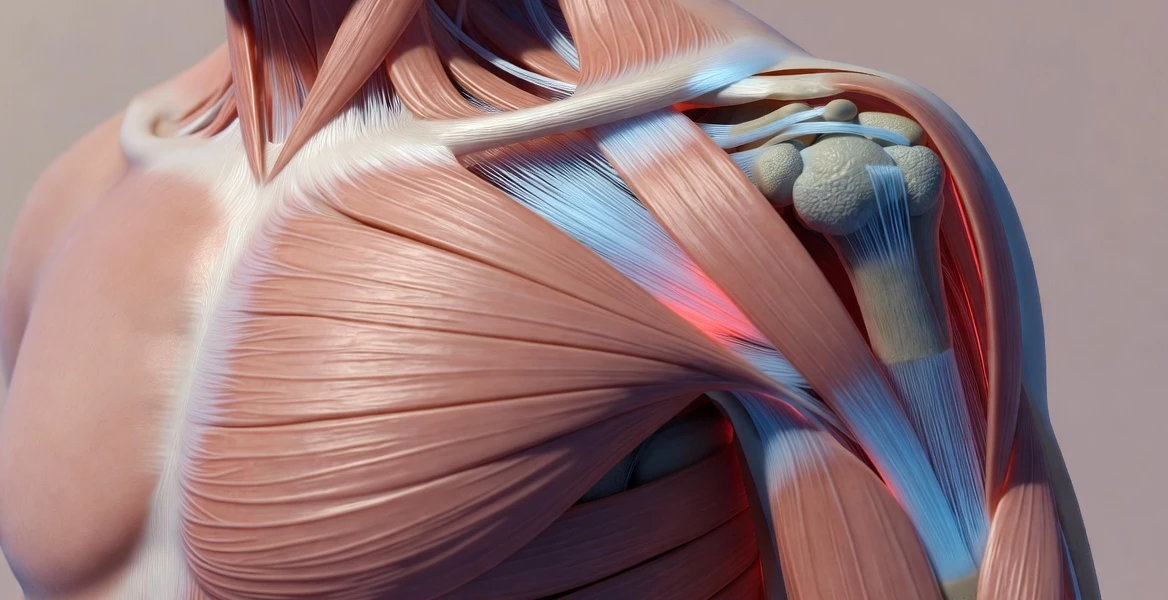
It’s not just muscle size that declines—we also lose our fast-twitch (Type II) muscle fibres. These fibres produce strength, power and quick reactions. They’re what help you climb stairs, stand up from a chair, catch yourself if you trip, or lift heavy objects.
As these muscle fibres disappear, falls become more common because it’s harder to react quickly and regain your balance. Hip fractures are one of the biggest risks for older adults. Research shows that around half of older adults who suffer a hip fracture never regain their independence, and the risk of death increases significantly in the years that follow.
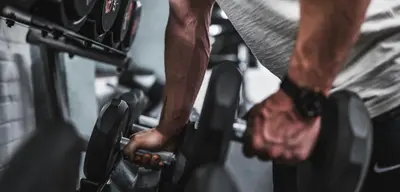
The good news is that this isn’t an unavoidable part of ageing. Resistance training is one of the few things proven to slow, stop and even reverse much of this muscle loss. Whether you’re 35 or 75, building and maintaining muscle today will help you stay stronger and more independent in the future.
Think of your muscles like a retirement savings account. Every strength training session is a deposit into your future. The more muscle and strength you build in your 30s, 40s and 50s, the greater your reserve will be as you get older. Instead of trying to rebuild lost muscle later in life, you’re creating a buffer that helps you stay active, capable and independent for years to come.
Resources:
▶Loosing Muscle | Brad Schoenfeld, PhD